
How does a standard porta potty actually work?
There is no flush, no float valve, nothing to hook up. The seat sits over a holding tank built into the base, and everything that goes in stays there until the truck comes. Blue liquid at the bottom is the chemical charge, and it does two jobs: it breaks down solids and it knocks down the smell that would otherwise build up in a sealed box sitting in the Norwalk sun. A vent stack routes gas out the top instead of back through the seat. Most units run 60 to 70 gallon tanks and stand about 92 inches tall on a 44 by 48 inch footprint, so they fit into a parking strip or a side yard without eating much space. On a construction site, a crew of 20 or fewer needs at least one unit under OSHA 1926.51(c), and that number climbs as headcount does. If you are picturing a construction worker jogging across a job site at lunch, this is the unit he is running to, and it is built to handle that kind of daily traffic without falling behind. For anyone weighing a standard porta potty rental against something nicer, the mechanics underneath are identical either way.
How do flushable porta potties work?
A deluxe flushable porta potty adds a small fresh-water reservoir and a hand pump or foot pedal that pushes a splash of water through the bowl after each use. It still drains into the same kind of holding tank as a standard unit, it just rinses the bowl instead of leaving it dry. Some deluxe models also carry a built-in sink with its own fresh-water tank, separate from the waste side, which is closer to what guests expect at a wedding or a corporate event. These units cost more to rent than a standard unit because they carry more moving parts and need more frequent servicing, but for a client hosting a few hundred people, that tradeoff is usually worth it. If you are comparing options for an outdoor event, event restroom rental and wedding restroom rental both lean toward the flushable line for exactly this reason.
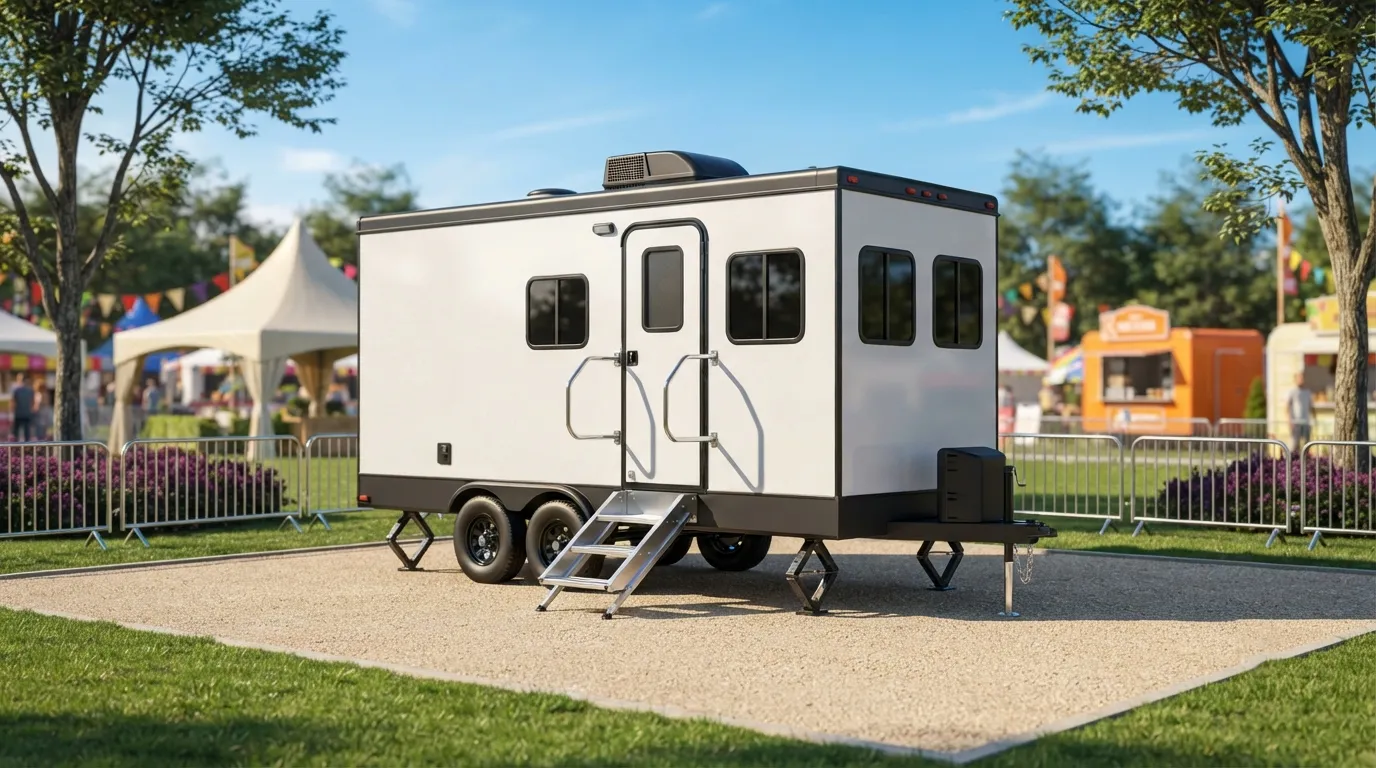
How does a portable sink work without plumbing?
A portable sink rental or handwashing station rental works off two separate tanks: one holds fresh water, one catches the gray water that drains out after someone washes up. A foot pump or hand lever pulls water from the fresh tank through a spout, and gravity carries the used water down into the waste tank below. Soap and paper towels sit in a dispenser on the unit itself, which matters because 29 CFR 1910.141(d)(2) requires soap and towels or a hand-drying device at washing facilities, not sanitizer alone. If a crew is applying paint, coatings, herbicides or insecticides, OSHA 1926.51(f)(1) calls for washing facilities on top of the standard toilet count. Farms around Norwalk fall under a related rule, OSHA 1928.110, which asks for one field sanitation facility per 20 hand-labor workers within a quarter mile walk, and a handwashing station rental paired with a toilet unit usually covers that. See handwashing requirements for the fuller breakdown.
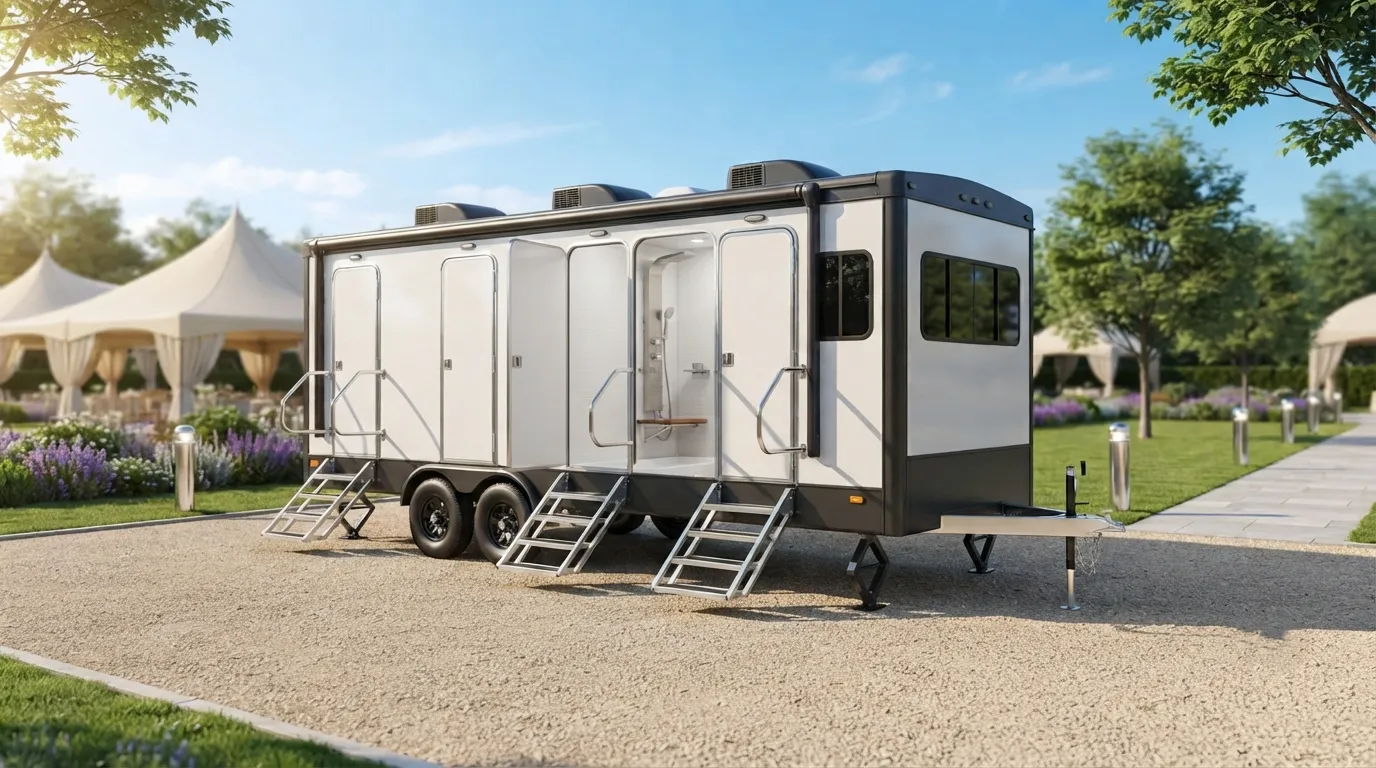
How do camping porta potties work compared to job site units?
Camping units are smaller and self-contained, built for one or two people over a weekend rather than a crew over a month. A basic model has a waste tank underneath and a fresh-water flush tank above, both sealed, so the whole thing can be carried into a site with no truck access at all. For anything larger, a camping porta potty rented through Norwalk Porta Pros works the same way a job site unit does, just scaled down and serviced less often since fewer people are using it. Septic tank cleaning chemicals used in these small tanks are the same family of enzyme and bacterial digesters used in full-size units, just dosed smaller. Anyone weighing this against a septic system at home should also know a typical residential septic tank gets pumped every 3 to 5 years depending on tank size and household use, which is a different maintenance rhythm than a rented unit on a weekly service loop.
Service intervals for rented units generally follow ANSI/PSAI Z4.3, a portable sanitation standard that sets a baseline of one visit per week for up to 10 users over a 40 hour week. Busier events need more frequent pumping, and Norwalk Porta Pros adjusts the schedule up when a site has heavier traffic than that baseline assumes.
| unit type | day | week | month |
|---|---|---|---|
| standard | $100 - $350 | $130 - $500 | $125 - $325 |
| deluxe | $85 - $1200 | $150 - $290 | - |
| ada | $200 - $400 | $240 - $400 | - |
Full pricing detail, including delivery fees, lives on porta potty rental cost and monthly porta potty rental.
How often do porta potties get serviced?
Weekly is the baseline under ANSI/PSAI Z4.3 for up to 10 users over a standard work week. High-traffic sites, like a multi-day festival, need daily or twice-daily service instead. See how often are porta potties cleaned for the full schedule breakdown by event type.
Do porta potties smell if they are working correctly?
Some odor is normal, especially in warm weather, but a well-serviced unit should not smell strongly. The deodorizing chemical in the tank and the roof vent are designed to manage it. Full explanation at do porta potties smell.
How many porta potties does a job site in Norwalk need?
OSHA 1926.51(c) sets the baseline: one unit per 20 workers or fewer, scaling up from there. Site layout and shift length change the real number. Use how many porta potties do I need to size it out.
Can a portable sink replace a permanent handwashing setup?
For a temporary job or event, yes. It has to carry soap and towels under 29 CFR 1910.141(d)(2), not just sanitizer. Details at portable sink rental and hand sanitizer station rental.
What chemicals go in a porta potty tank?
A blend of deodorizers and waste-digesting agents, usually blue or green, similar in principle to septic tank cleaning chemicals used in home systems. It is added at delivery and topped off at each service visit by Norwalk Porta Pros.
Next step
Get a delivery date
Tell us the address, the dates and the headcount. We size the order and confirm the route.